Wall Insulation Built For a Tighter Building Envelope
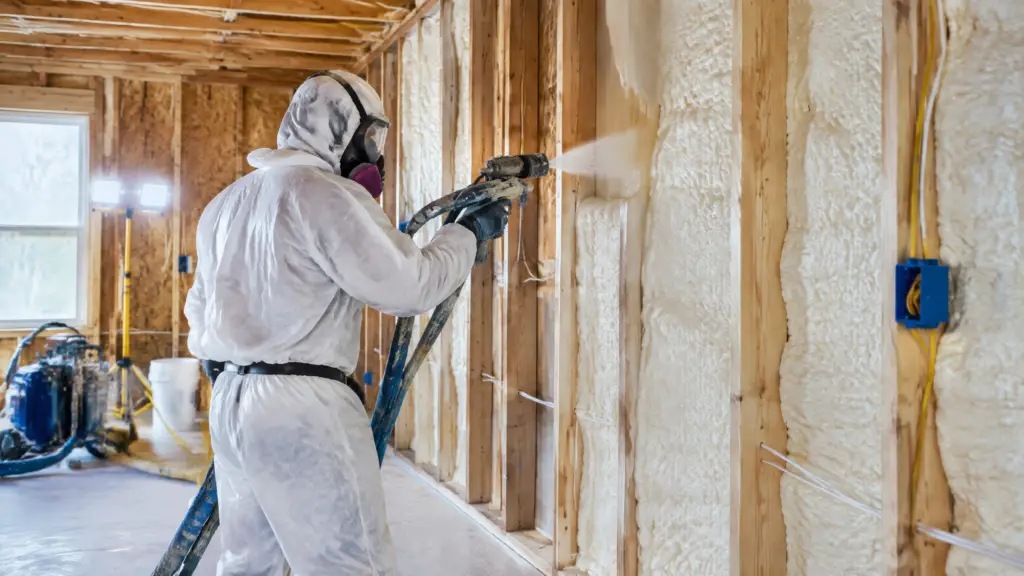
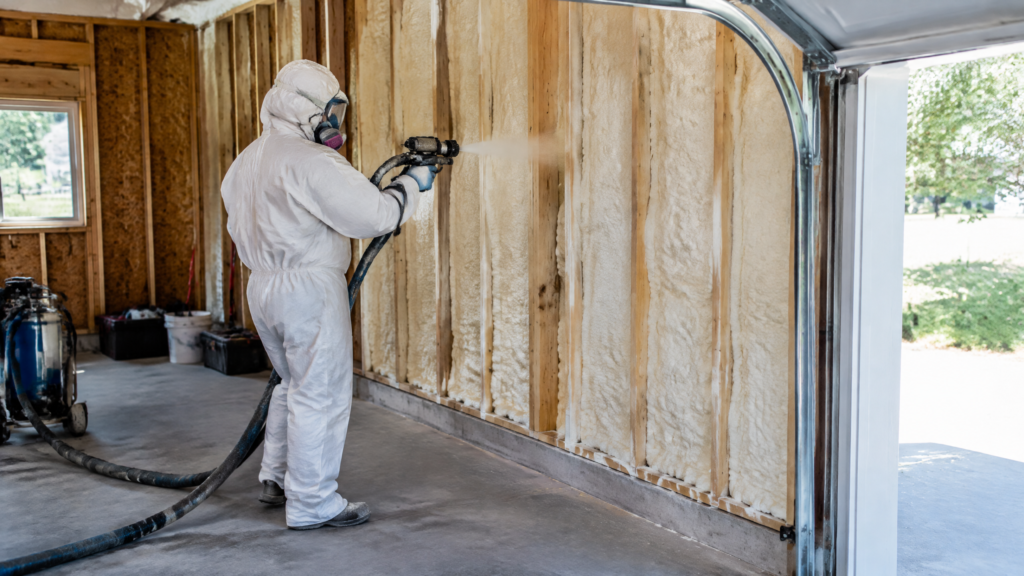
Whether you are framing a new addition or opening walls during a remodel, spray foam fills every stud bay completely, with no gaps, no compression, and meaningfully better sound dampening between rooms.
Where Wall Spray Foam Makes the Biggest Difference
Batt insulation only performs to its rated R-value when installed perfectly, no compression, no gaps around outlets or wiring, no voids at corners. In practice that is rare.
Spray foam expands into every irregular space in a stud bay, including around wiring, plumbing, and blocking, so the cavity is filled once and filled correctly. It also adds structural rigidity and reduces sound transfer.
Fills irregular cavities completely, no compression or gaps
Adds an effective air barrier in addition to thermal insulation
Reduces exterior noise and sound transfer between interior rooms
Works for new framing, additions, and gut-remodel wall cavities
What's Included
Wall Insulation Applications We Handle
Wall spray foam shows up across several project types, here is what we most commonly insulate.
Exterior Wall Cavities
Full-depth fill in 2x4 or 2x6 exterior walls for new construction or additions.
Interior Sound Walls
Open-cell foam between bedrooms, home theaters, or offices to cut sound transfer.
Remodel & Gut Jobs
Spraying open stud bays during a renovation before drywall goes back up.
Rim Joists & Band Boards
The wall-to-foundation transition, a classic air-leak location.
Knee Walls & Bonus Rooms
Insulating the awkward angled walls in converted attic or bonus room spaces.
Party & Firewalls
Adding thermal and acoustic performance to shared walls in townhomes or duplexes.
Why It Matters
A Continuous Envelope, Not Patchwork Coverage
Building science calls it the building envelope for a reason: your home performs as a system, and any weak link undermines the whole assembly.
Because spray foam air-seals as it insulates, wall cavities that get sprayed stop acting as pathways for outside air, dust, and even pests to move through the structure.
Our Process
How Wall Spray Foam Gets Installed
Timing wall insulation right is critical, it has to happen after rough-in and before drywall.
01
Framing & Rough-In Check
We confirm electrical, plumbing, and HVAC rough-in is complete and inspected.
02
Masking & Protection
Windows, doors, and finished surfaces nearby are masked off.
03
Cavity Fill
Foam is sprayed to fill each stud bay to the specified depth and R-value.
04
Trim Flush
Foam is trimmed flush with the studs so drywall can be hung without shimming.
05
Inspection-Ready Walkthrough
We leave the walls ready for your framing or insulation inspection.